

Young U.S. Athletes at Growing Risk of Multimillion-Dollar Losses as Earnings Hit Record Highs - Experts
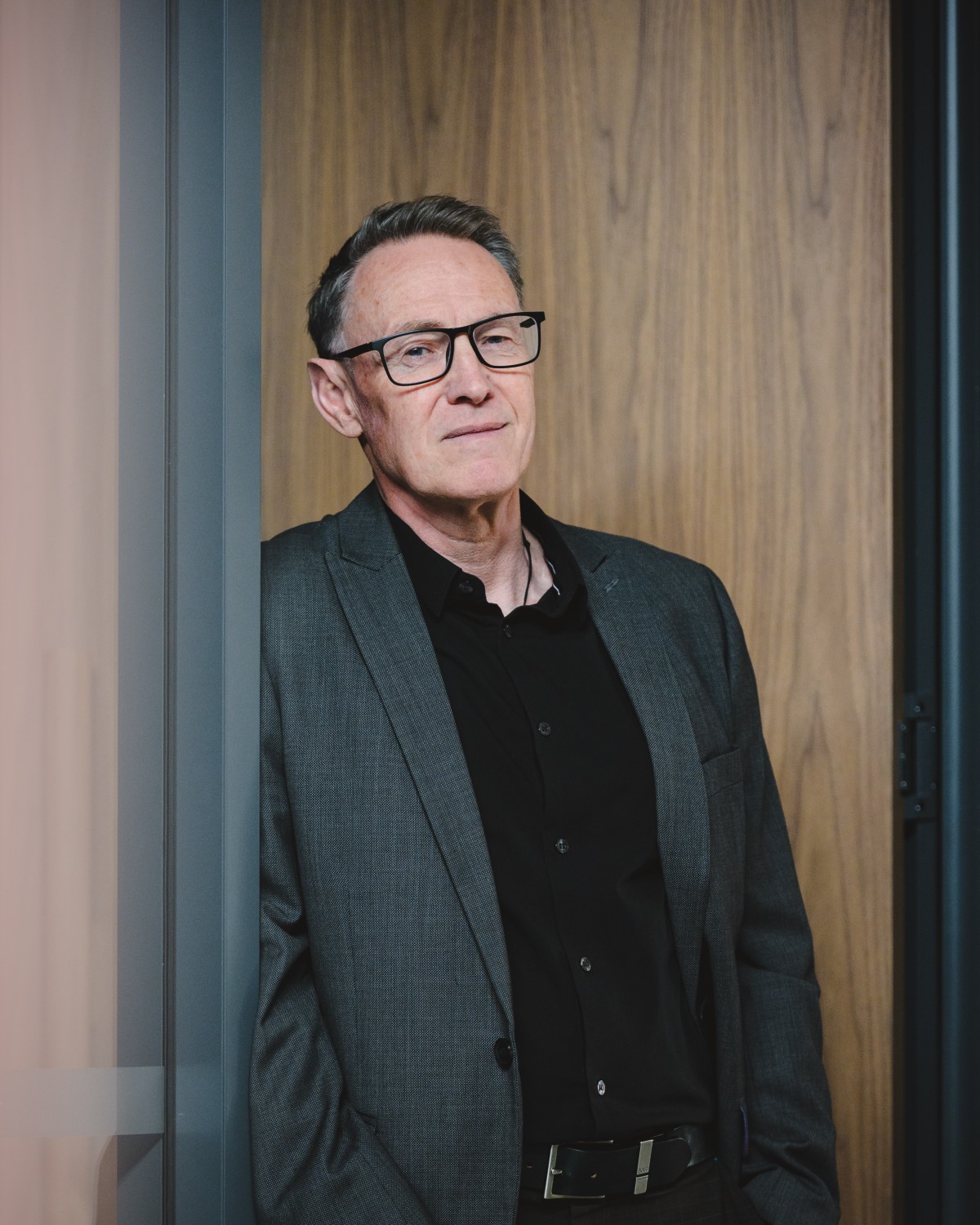
Mike Arand, Southpac Group
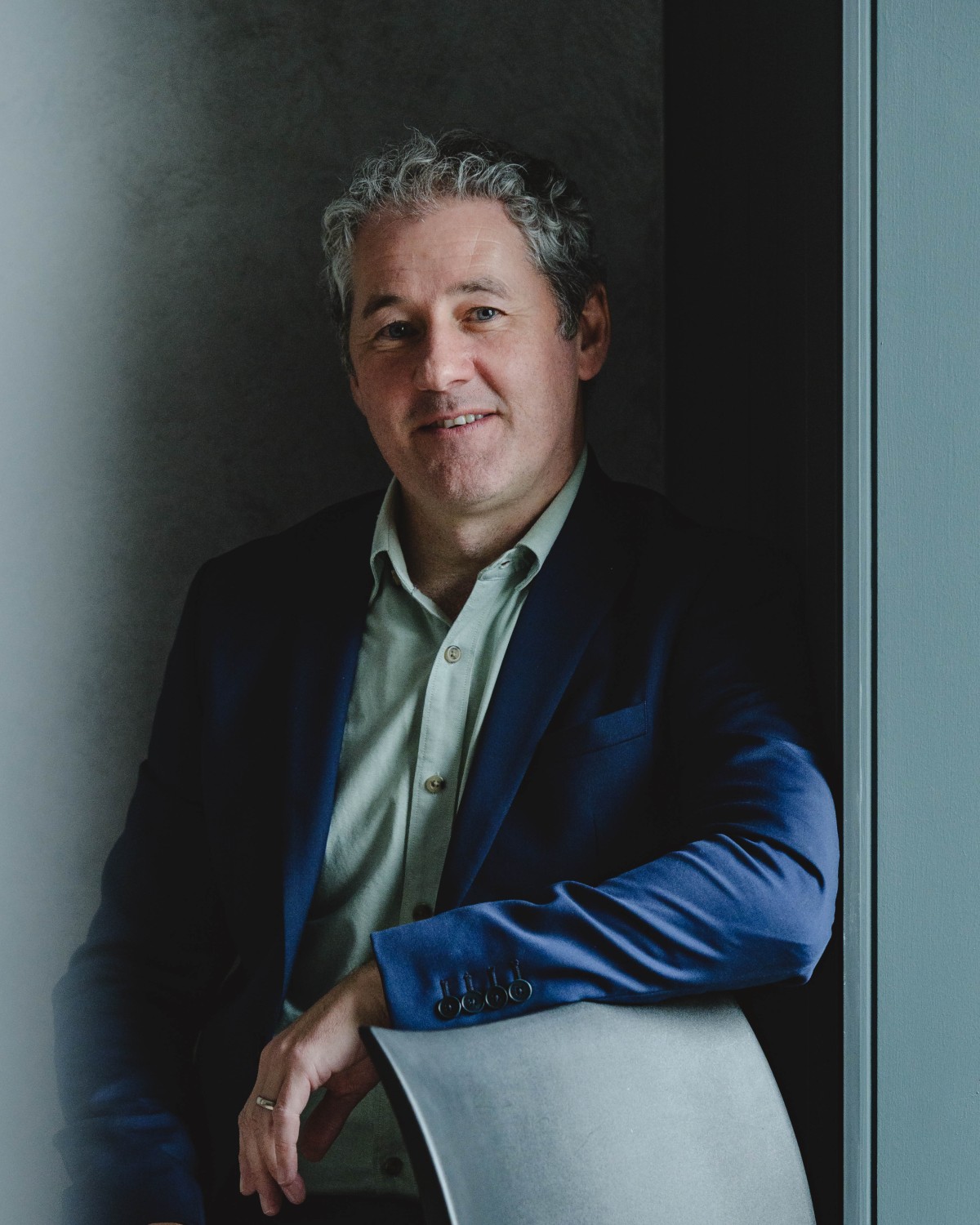
Matthew Smith, Southpac Group
Record athlete earnings and rising U.S. litigation risks are driving demand for international asset protection as Southpac Group expands in California.
The world’s 50 highest-paid athletes earned an estimated US$4.1 billion over the past year, more than double the US$1.9 billion earned by the equivalent group in 2017. More than half are under 30 and their combined off-field earnings reached a record US$1.1 billion.¹
The financial stakes in U.S. litigation are also rising, with the number of corporate jury awards worth US$10 million or more jumping 40.7% in 2025 and combined awards exceeding US$25.6 billion.²
The combination of record earnings, expanding investments and rising litigation exposure is increasing demand for international asset protection among U.S. attorneys and wealth advisors.
Southpac Group, a New Zealand-headquartered international trust and corporate services provider, says it is receiving more approaches from U.S. advisors working with professional athletes, entertainment figures and other high-net-worth clients.
The firm establishes and administers international trust and company structures holding assets valued at approximately US$4 billion and is expanding its presence in California in response to that demand.
Southpac Group CEO Mike Arand says the speed at which wealth can accumulate in professional sports and entertainment is changing the type of protection some clients require.
“We are seeing increasing interest from advisors whose clients can accumulate substantial wealth very quickly, but whose asset protection arrangements may not have evolved alongside that growth,” Arand says.
“For someone in professional sports or entertainment, that transition can happen extraordinarily quickly. They may move from relatively limited assets to owning real estate, investing in private companies and participating in multiple commercial ventures within only a few years.”
Demand is also rising for established international asset protection jurisdictions, with new Cook Islands trust registrations increasing approximately 89% over the past two years, from 229 in 2022-23 to a record 433 in 2024-25.³
Southpac figures indicate Nevis trust registrations have risen approximately 68% over the same period.
Southpac was the first trust company licensed in the Cook Islands and helped develop the jurisdiction’s original asset protection legislation. It has established more than 4,000 Cook Islands trusts over approximately four decades and currently administers more than one-third of active Cook Islands trusts.
Arand says U.S. advisors are increasingly turning to experienced international providers as their clients’ wealth becomes more complex.
“Our relationships are primarily with the attorneys, accountants and wealth advisors who already understand their clients’ financial affairs,” he says.
“They are best placed to identify when an international asset protection structure may be appropriate and to bring specialist providers into that process.”
Southpac operates outside the United States and has no U.S. corporate nexus, which the company says can provide an additional layer of protection when international structures are properly established.
Experts say these structures are used for forward-looking asset protection planning and should be established with independent legal and tax advice.
Matthew Smith, a Southpac Group lawyer and director of business development, says how athletes are building their wealth is as significant as how much they are earning.
“The modern professional athlete can look as much like an entrepreneur as a highly paid employee,” Smith says.
“Alongside a playing contract there can be real estate, private investments, equity stakes, endorsement income and direct ownership interests in businesses.”
The minimum earnings required to enter the 2026 list of the world’s 50 highest-paid athletes reached US$54.6 million, more than twice the US$26.1 million cutoff a decade earlier. The average age of athletes on the list is now 30, with 26 of the 50 aged under 30.¹
Smith says the greater risk for many athletes is not litigation arising from competition itself, but from the business and investment activity that can accompany a rapid rise in income and profile.
“Someone can be 18 or 19 years old and suddenly be earning millions of dollars a year, and with that change in circumstances there can also be a very rapid increase in the number of people approaching them with opportunities,” he says.
“They may start buying real estate, taking interests in businesses or investing in private ventures through people in their wider network.
“The issue is not that these individuals do not understand money. It is that their level of wealth and the complexity around it can increase much faster than would normally happen for someone building assets gradually over 20 or 30 years.”
California has become a particular focus because of its concentration of wealth across professional sports, entertainment, technology, real estate and private business, combined with high litigation exposure, which Smith says makes asset protection a more relevant part of wider wealth planning.
“California has an extraordinary concentration of private wealth, but it is also an environment where litigation risk is something advisors and their clients are already accustomed to thinking about,” he says.
“When substantial wealth, real estate holdings, private investments and business interests come together, asset protection becomes a much more relevant part of the wider conversation.”
Mark Devlin
Impact PR
mark@impactpr.co.nz
Visit us on social media:
LinkedIn
Young U.S. Athletes Face Growing Wealth Protection Risks as Earnings Hit Record Highs – Southpac Group
Legal Disclaimer:
EIN Presswire provides this news content "as is" without warranty of any kind. We do not accept any responsibility or liability for the accuracy, content, images, videos, licenses, completeness, legality, or reliability of the information contained in this article. If you have any complaints or copyright issues related to this article, kindly contact the author above.
